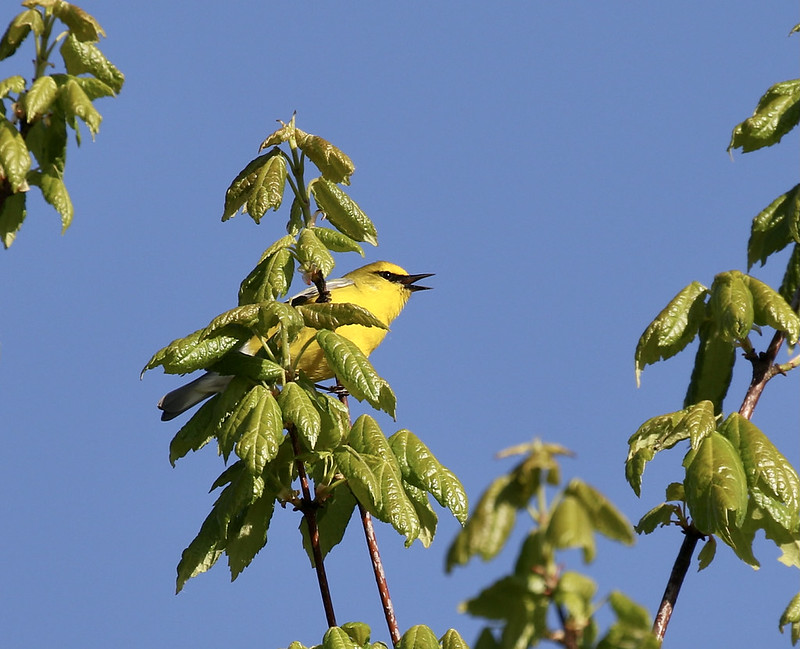
This is New Hampshire Audubon’s Rare Bird Alert for Monday, August 10, 2026
This is New Hampshire Audubon’s Rare Bird Alert for Monday, August 10, 2026. Birders on a whale watch on the Granite State out of Rye Harbor tallied 22 bird species.

This is New Hampshire Audubon’s Rare Bird Alert for Monday, August 10, 2026. Birders on a whale watch on the Granite State out of Rye Harbor tallied 22 bird species.
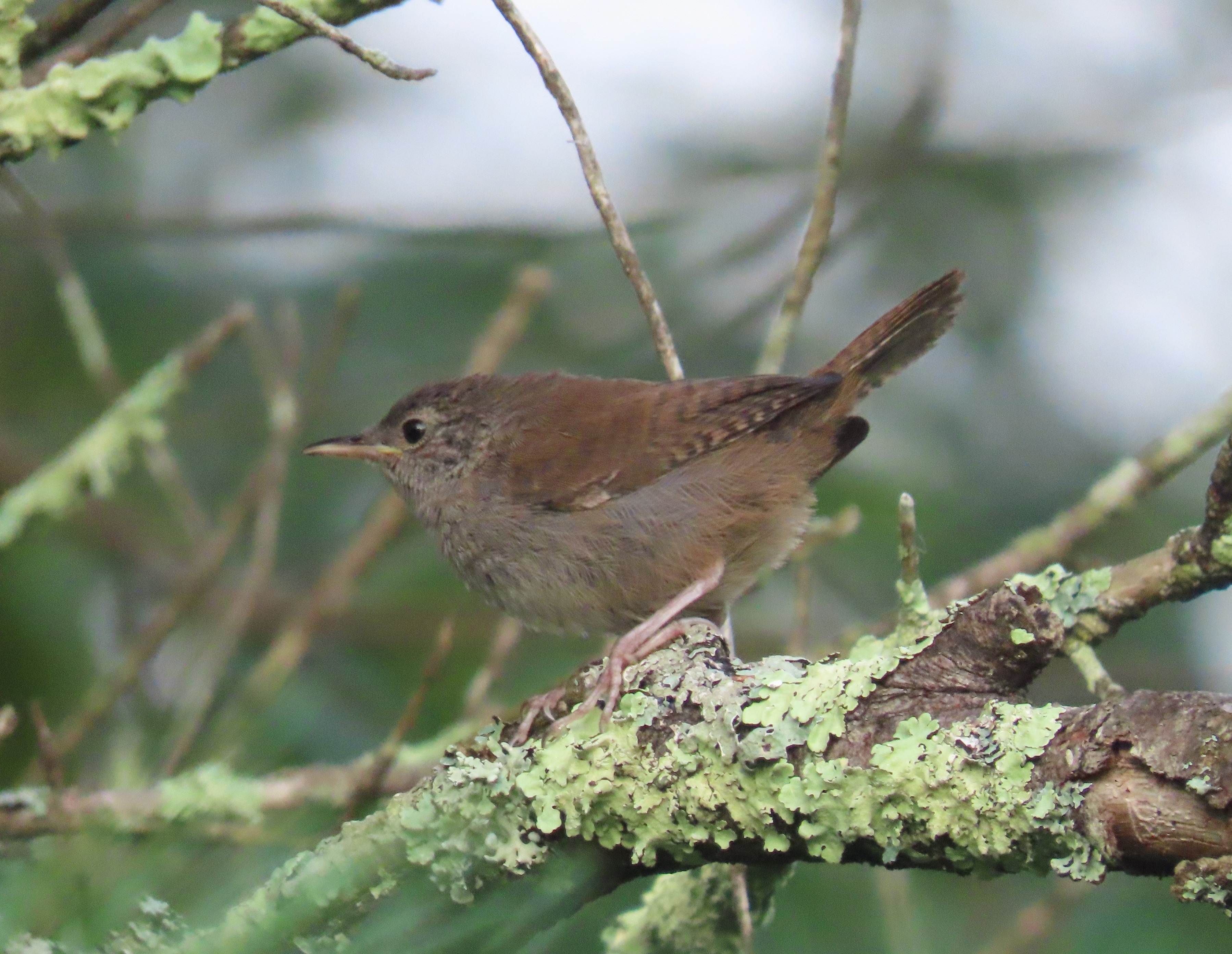
(by Pam Hunt) House wrens are most famous among backyard birders for two things: their enthusiastic bubbling song and willingness to use almost any semi-enclosed space as a nest site.
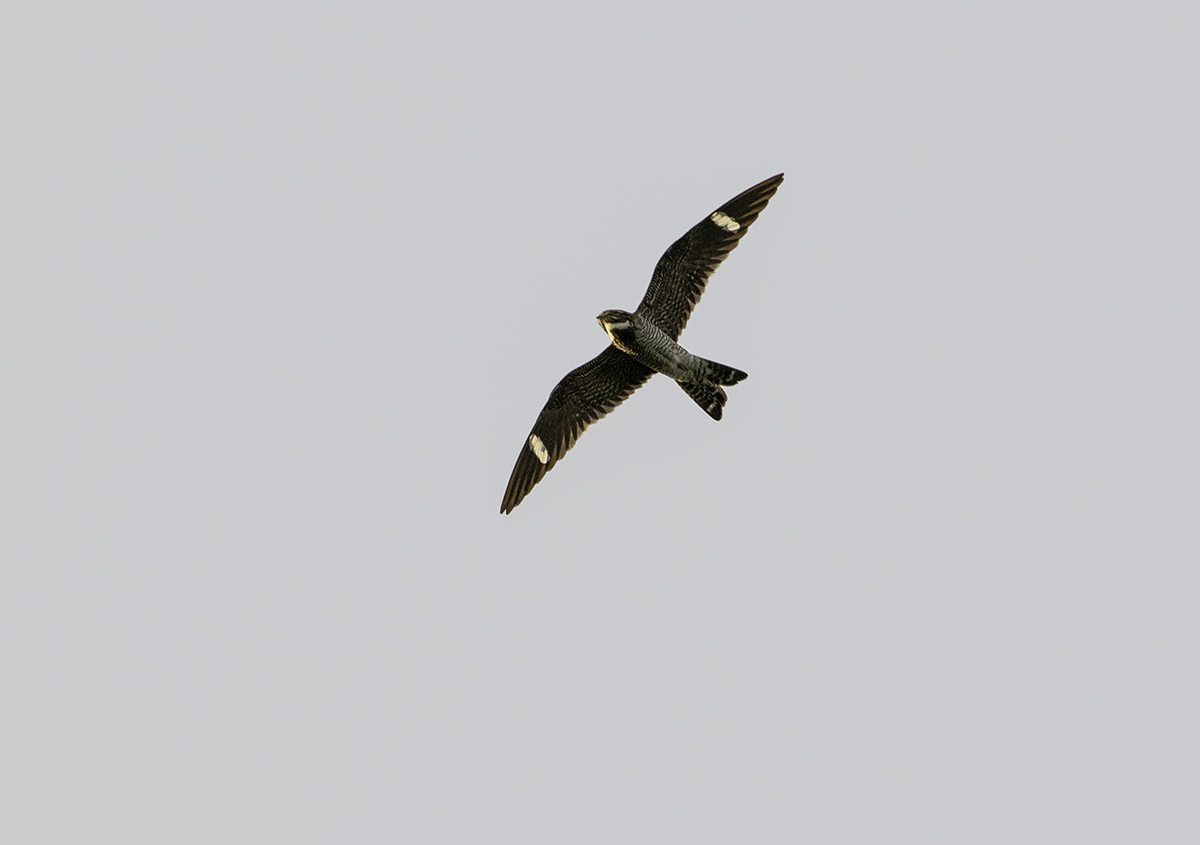
August marks the beginning of fall in the bird world. Migration starts with an influx of shorebirds and swirls of tree swallows staging for migration. Many birds continue to feed
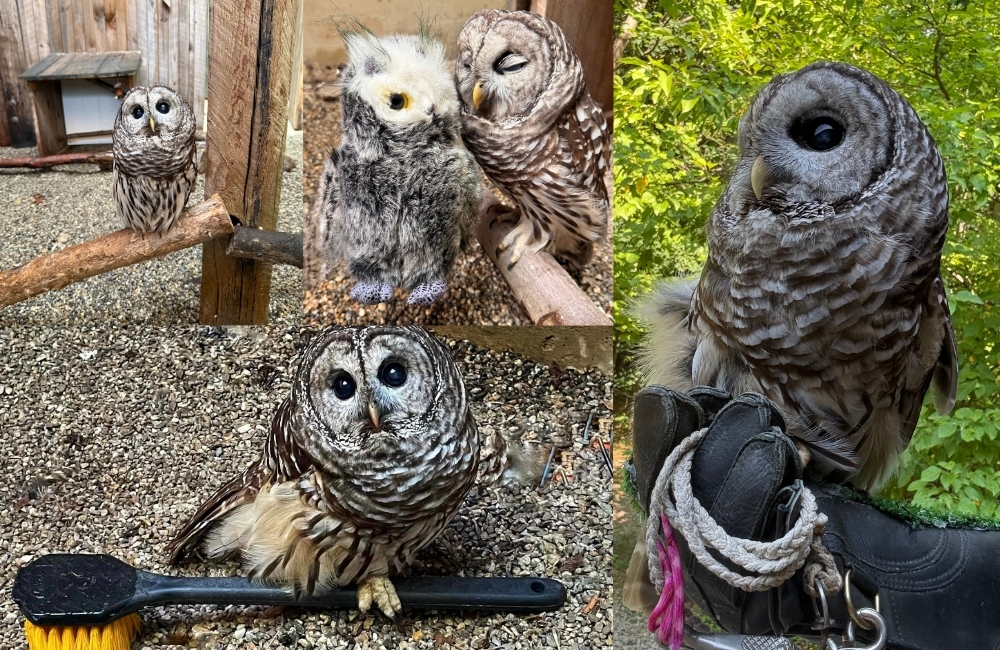
(by Lucy Murayda) Happy International Owl Awareness Day! – August 4th, 2026 Did you know that the Barred Owl (Strix varia) can turn its head up to 270 degrees? Unlike
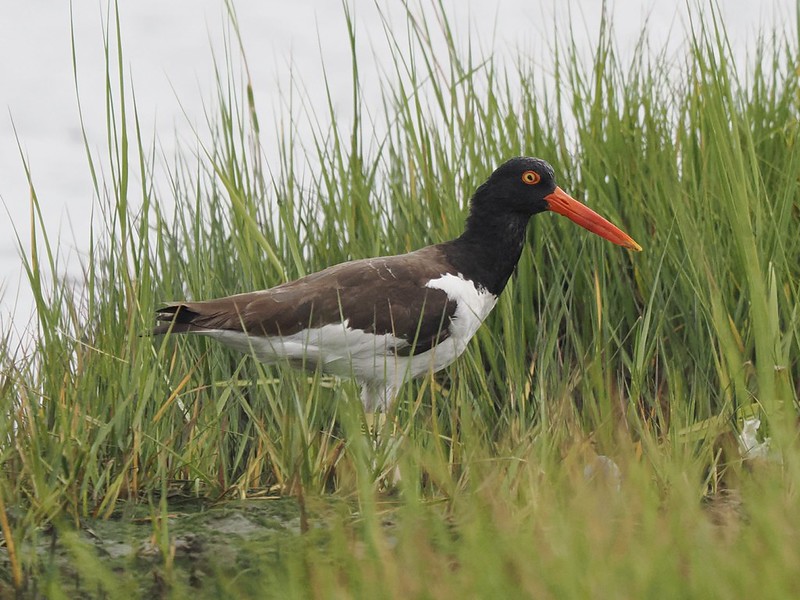
This is New Hampshire Audubon’s Rare Bird Alert for Monday, August 3, 2026. 37 RED-NECKED PHALAROPES were seen at Jeffrey’s Ledge on August 1st, and 22 were seen there on
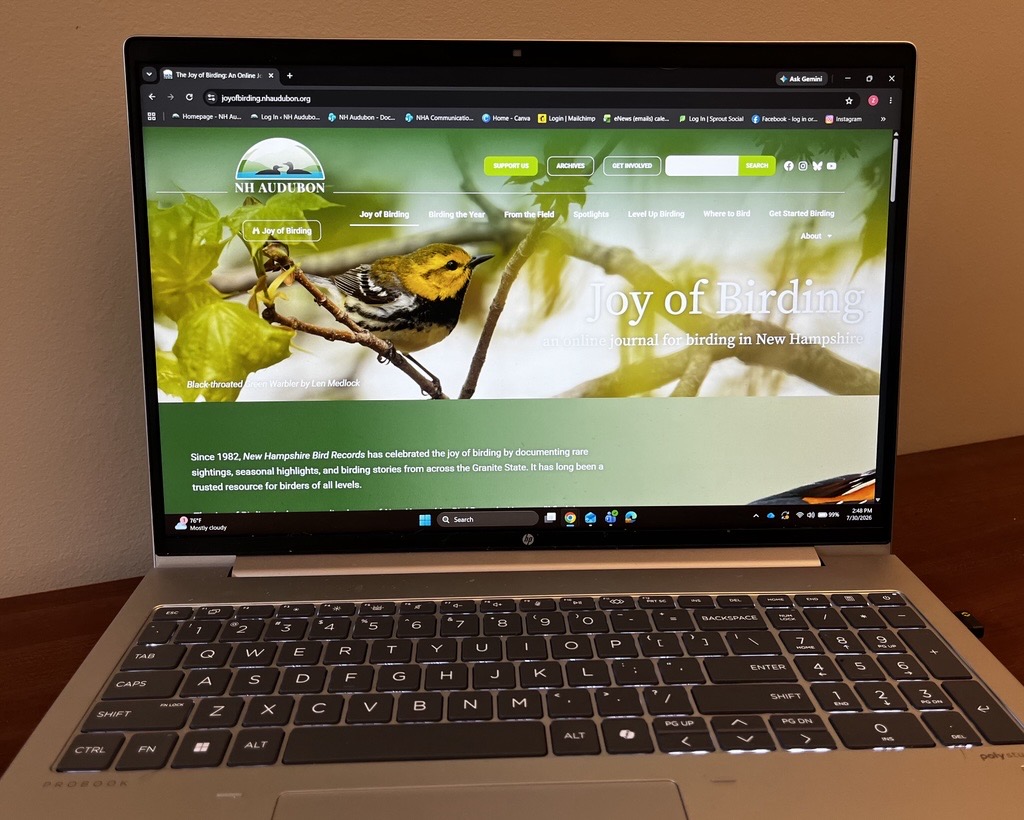
New on Joy of Birding: A look back at one of New Hampshire’s most memorable spring birding seasons in the Spring 2026 Season Summary. An inside look at habitat restoration
(by Anita Fernandez) The NH Audubon Nature Challenge is primarily a conservation effort, aimed at collecting data about plant, animal, fungi, and other life on our sanctuaries to determine where
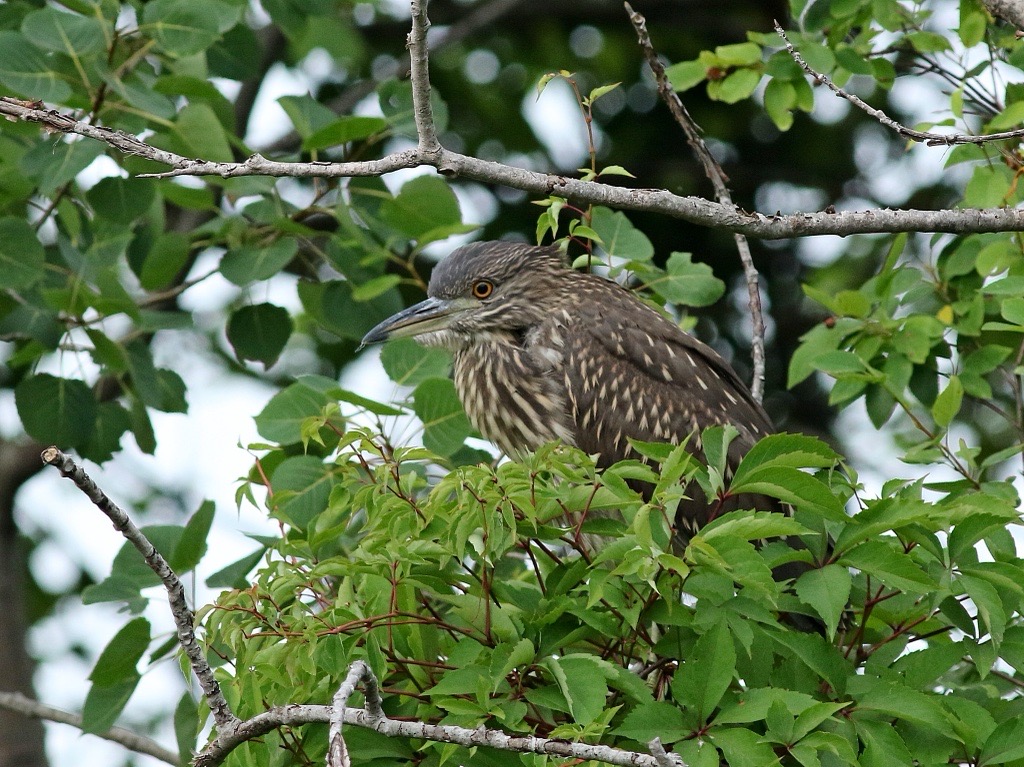
This is New Hampshire Audubon’s Rare Bird Alert for Monday, July 27, 2026. The BRIDLED TERN was reported again from the New Hampshire part of the Isles of Shoals on

August is packed with new ways to connect with nature at the Newfound Center in Hebron! From stargazing and survival skills to BioBlitzes and a creative writing group, there’s something
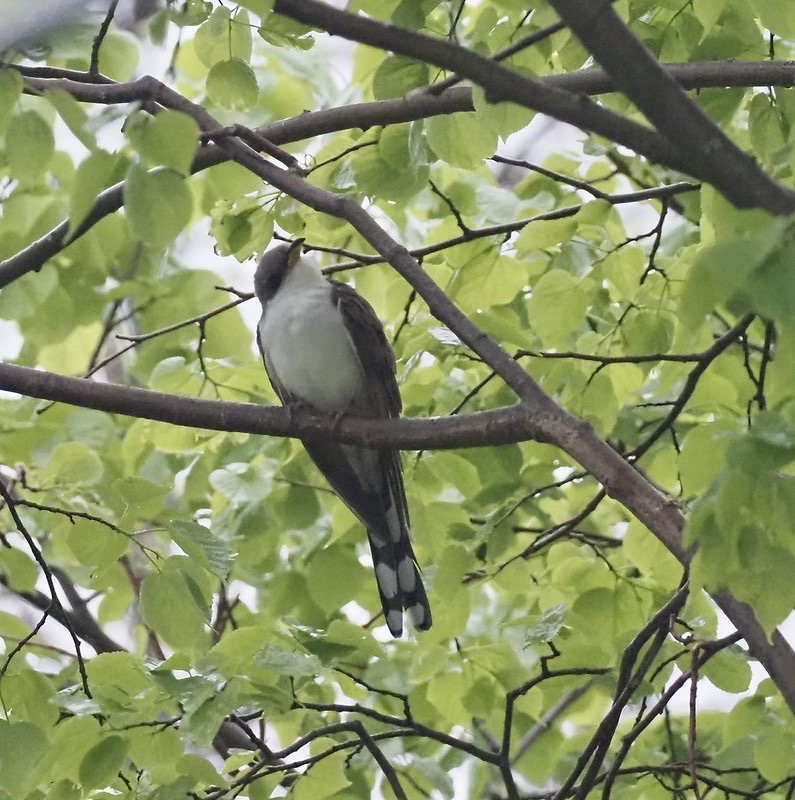
This is New Hampshire Audubon’s Rare Bird Alert for Monday, July 20, 2026. There was an unconfirmed report of a BROWN PELICAN seen flying at Hampton Beach on July 17th.
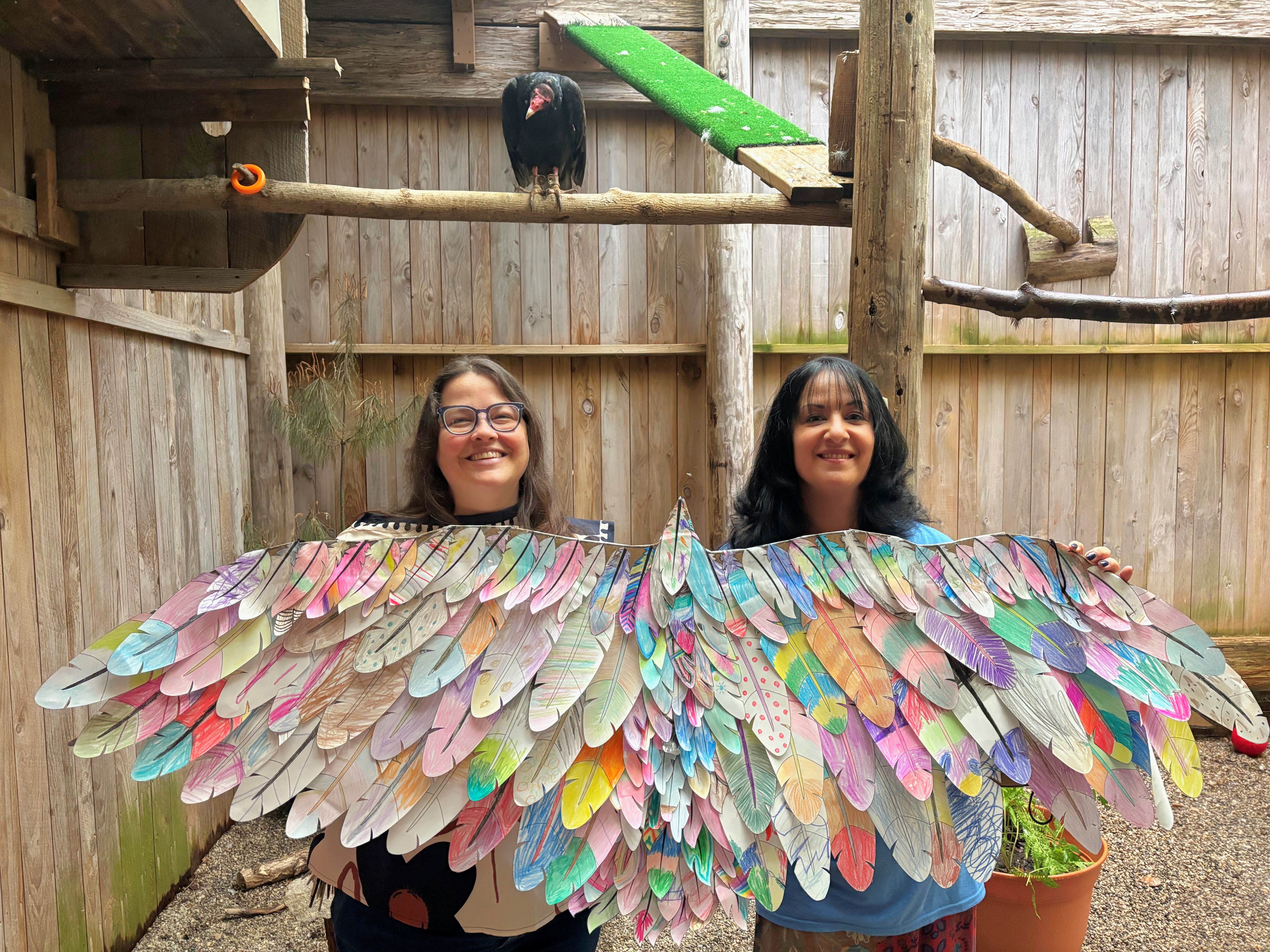
(by Anita Fernandez) To encourage the community to help us welcome our newest raptor animal ambassador, a Turkey Vulture, who found his forever home with NH Audubon in 2025, Community
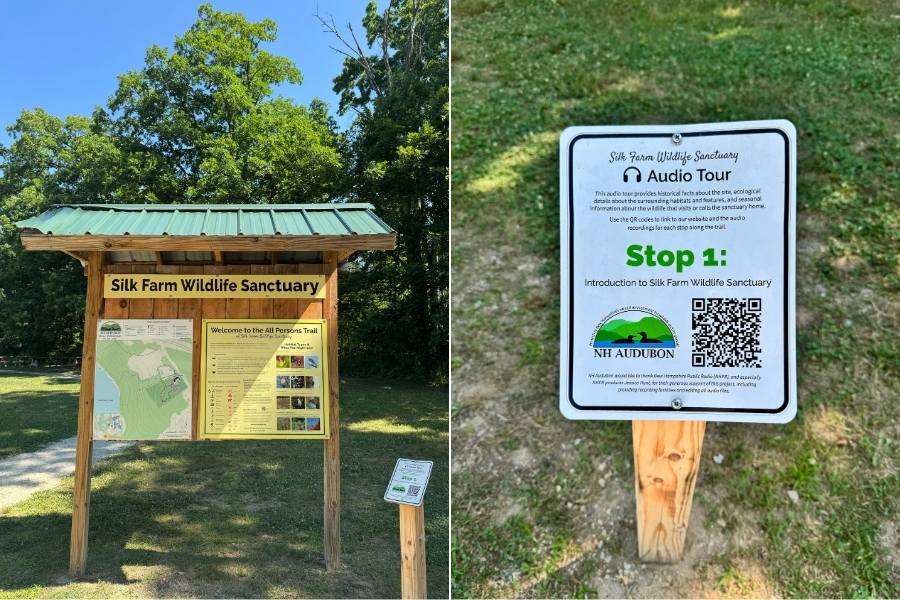
(by Zoe Dawson) July celebrates Disability Pride Month – a time to honor the diverse disability communities and the fight for inclusion and accessibility. It is observed in July because